
Degenerative Disc Pain
Pain Management for Degenerative Disc Disease in Maryland
What Is Degenerative Disc Disease?
- Pain worsened by sitting
- Radiating pain, numbness, or tingling sensations
- Instability in the neck
- Muscle tension or spasms

Types of Degenerative Disc Disease
Before your doctor can recommend pain management for degenerative disc disease, they’ll first identify the type you have. Here’s a brief overview of each type:
- Lumbar—This form of DDD affects the lumbar discs in the lower back. The lumbar discs are under constant pressure and highly susceptible to wear and tear.
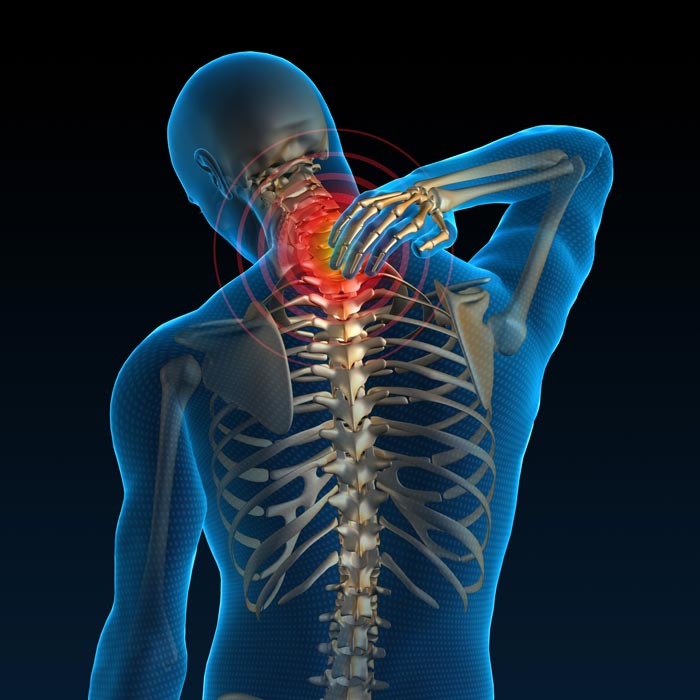
- Cervical—Cervical DDD affects the neck. When discs in this area degenerate, it can lead to chronic neck pain, stiffness, and discomfort that radiates down into the shoulders, arms, and hands.
- Thoracic—The thoracic spine is in the middle of the back. Degeneration here is much less common, but when it occurs, it can cause pain in the mid-back and chest.
- Multilevel—When DDD affects more than one region of the spine, it’s referred to as multilevel degeneration.
What Are the Four Stages of Degenerative Disc Disease?
Degeneration doesn’t happen overnight. The condition typically progresses through four distinct stages over several years:
- Stage 1: Dysfunction—In the early stage, the discs suffer from small tears in the outer layer, and the cartilage begins to lose its protective water content. You might feel mild pain or stiffness, but you likely won’t notice changes to the curvature of the spine.
- Stage 2: Instability—During this stage, the disc starts to flatten or lose height. You may experience intermittent bouts of back pain and a feeling of instability in the spine.
- Stage 3: Stabilization—As the disc continues to thin, the bone spurs grow larger, and the spine stiffens. This stage is often characterized by less pain but a reduced range of motion.
- Stage 4: Collapse—In the final stage, the spine may fuse completely in certain areas. Stage 4 DDD is associated with significant stiffness, chronic pain, and a high risk of nerve compression.
How We Treat Degenerative Disc Disease
So, what’s the best pain relief for degenerative disc disease? The answer depends on your specific conditions, but at Greater Maryland Pain Management, we often recommend a combination of the following:
- Physical Therapy—During physical therapy sessions, patients work to improve their flexibility and strengthen the core muscles that stabilize the spine.
- Medications—Over-the-counter pain relievers and doctor-prescribed muscle relaxers can help manage discomfort in the short term.
- Steroid Injections—If oral medication doesn’t work, an epidural steroid injection around the nerves can provide temporary relief from severe pain.
- Surgery—If you don’t find relief from conservative treatments, we may consider surgery. We’ll sit down to discuss your options and make sure you feel comfortable with this course of treatment.
Things to Avoid With Degenerative Disc Disease
Pain management for DDD is all about lifestyle modification. To prevent further damage and reduce pain flare-ups, try to avoid:
- Prolonged sitting
- Heavy lifting
- High-impact activities
- Smoking
- Slouching
Here to Help With DDD Pain
Whether you’re dealing with DDD, herniated disc pain, or another spine condition, Greater Maryland Pain Management is here to help.
We specialize in a wide range of conditions, including degenerative disc disease, and can recommend the most effective treatment option for your case.
Contact us today to set up an appointment with an experienced provider.