
Many patients in Maryland are surprised to learn how closely dehydration and muscle pain can be connected. Even mild fluid loss may influence how the muscles, nerves, and joints function. When the body lacks adequate hydration, muscle fibers may become more sensitive, which can increase discomfort. At Greater Maryland Pain Management, our physicians see this concern often, and while hydration alone may not resolve every symptom, understanding this link can help you make informed daily choices that support your overall comfort.
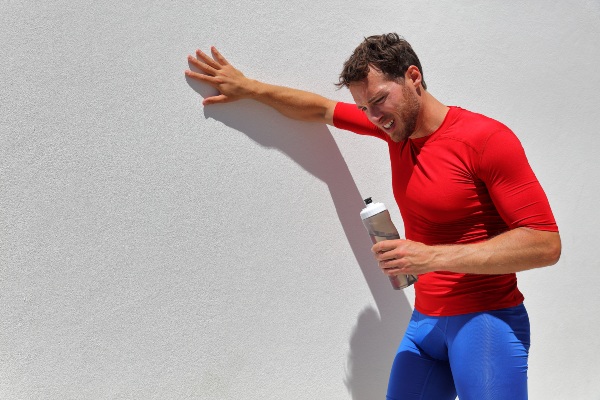
How Dehydration Affects Muscle Function
Water helps the body maintain normal circulation, tissue elasticity, nerve signaling, and temperature regulation. Muscles depend on these functions to contract and relax smoothly. When the body becomes dehydrated, even slightly, the balance of electrolytes can shift. Electrolytes help muscles fire correctly, and when those levels drift out of range, muscle fibers may tighten, misfire, or become more prone to fatigue.
Patients who ask can dehydration cause muscle pain often notice that discomfort increases on days when they have been more active, spent time outdoors, or consumed less fluid than usual. Pain may feel dull or sharp and may appear in the arms, legs, back, shoulders, or neck.
Can Dehydration Cause Leg Pain?
Yes, dehydration may contribute to leg discomfort for some individuals. The muscles in the legs work constantly throughout the day, and reduced hydration can limit their ability to recover. Low fluids can also thicken the blood, which may make circulation less efficient. Leg symptoms may include:
- Heaviness in the calves
- Tightness after walking
- Sudden muscle cramps during the night
- Increased fatigue during mild activity
While dehydration may play a role, persistent calf pain should be evaluated, since other medical conditions may need attention.
Dehydration Muscle Cramps & Why They Happen
Muscle cramps often occur when the muscles cannot fully relax. This can happen when the body loses water through sweating, breathing, heat exposure, or physical activity. When fluids drop, sodium and potassium can also shift, which may increase the chance of involuntary tightening.
Dehydration muscle cramps may feel sudden, sharp, and difficult to stretch out. They may affect the calves, feet, thighs, or hands. Some patients experience spasms that last only a few seconds, while others feel lingering tightness afterward.
Preventing cramps involves more than just drinking water. Balanced hydration includes fluids and electrolytes, steady nutrition, and activity patterns that match your fitness level. If cramps become frequent, a physician guided assessment may help you understand the underlying cause.
Can Dehydration Cause Neck Pain?
The muscles of the neck rely on flexibility and balanced support. When hydration levels drop, muscles may become more sensitive and more likely to fatigue. This can lead to stiffness, reduced range of motion, or aching sensations, especially after long periods of sitting or computer use.
Dehydration may also make the discs between the vertebrae feel irritated in some individuals, since these discs contain fluid that helps cushion the spine. Drinking water consistently throughout the day may support overall comfort, but it is not a standalone solution if structural or nerve related issues are present.
Can Dehydration Cause Nausea?
Some people experience nausea when dehydrated because fluid levels influence digestion, circulation, and temperature control. The body may also respond to dehydration by increasing heart rate, which can contribute to a feeling of queasiness.
Mild nausea does not always mean dehydration, but if you notice nausea along with other signs of dehydration such as thirst, dizziness, dry mouth, fatigue, or dark urine, it may be worth discussing these symptoms with a physician, especially if they recur.
Recognizing Early Signs of Dehydration
Staying aware of how your body responds to fluid loss is an important part of preventing pain and fatigue. Early signs of dehydration may include:
- Dry mouth
- Thirst
- Dark yellow urine
- Fatigue
- Headache
- Muscle tightness
- Reduced concentration
- Dizziness
Not everyone experiences dehydration the same way. Some individuals notice symptoms quickly, while others only feel discomfort after physical activity or heat exposure.
Daily Habits That Support Hydration
Maintaining hydration is a steady process that continues throughout the day. These habits can help support muscle comfort:
- Drink water at regular intervals
- Add fruits and vegetables with high water content to meals
- Limit beverages that increase fluid loss such as excessive caffeine
- Increase fluids on hot days or before planned activity
- Listen to early signs of thirst rather than waiting
- For many patients, consistent hydration helps minimize mild muscle aches linked to fluid imbalance.
When Muscle Pain Requires Medical Attention
While hydration influences muscle function, ongoing pain may point to additional concerns. Some patients experience discomfort from nerve irritation, joint inflammation, spinal conditions, repetitive strain, or circulation issues. Persistent calf pain, severe cramps, weakness, or symptoms that disrupt daily life should be professionally evaluated.
At Greater Maryland Pain Management, all assessments and procedures are physician guided. This allows for careful evaluation of the factors contributing to your symptoms. Treatment plans may include medication, interventional procedures, or lifestyle strategies based on your individual condition.
Practical Ways to Reduce Dehydration Related Pain
If you are suffering from dehydration related pain, there are several things you can do. These approaches may help reduce discomfort when dehydration plays a role in muscle pain:
- Spread fluid intake throughout the day
- Stretch major muscle groups
- Take breaks during long periods of sitting
- Adjust physical activity based on heat and humidity
- Use gentle heat to relax tight muscles
- Consider electrolyte replacement during extended exertion
- These strategies are supportive but not a substitute for medical care when symptoms persist.
Your Next Step for Muscle Pain Relief
If you suspect dehydration plays a role in your symptoms, or if you continue to experience muscle cramps, leg discomfort, neck tightness, or calf pain after improving hydration, you may benefit from a professional evaluation. The physicians at Greater Maryland Pain Management can help identify the sources of your discomfort and outline safe treatment options based on your needs. To learn more or to schedule an appointment, our team is here to support you with individualized, physician guided care.