
If you have ever felt a “pins and needles” sensation or a strange numbness in your toes, you know how unsettling it can be. While it is often just a temporary result of sitting in an awkward position, persistent tingling in the feet, known medically as paresthesia, can sometimes be your body’s way of asking for a little extra care and attention. We understand how concerning these sensations can be, but please know that you are not alone, and there are many effective ways to manage and treat this discomfort. By understanding the underlying causes and knowing when to seek professional guidance, you can take a compassionate step toward reclaiming your comfort and mobility. Greater Maryland Pain Management helps you understand what causes tingling in your feet and when it’s serious. Learn more today.
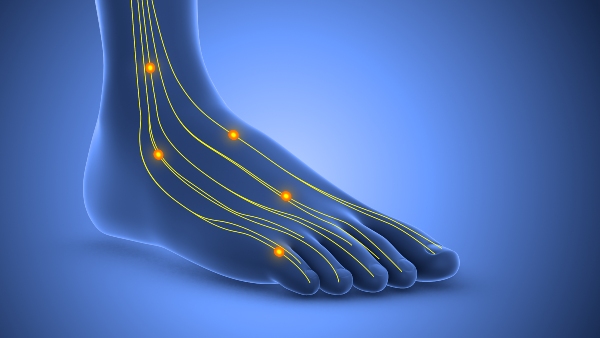
Understanding Tingling Feet and Toes
Every patient is unique, so each may feel a different type of sensation in their feet or toes. The most common ways people experience tingling in feet and toes include:
- Cramping in feet and/or toes
- Heightened sensitivity to temperature
- Feet feel as if feet have “fallen asleep”
- The feeling of walking on pins and needles
- The feeling of walking on hot coals
- Cannot feel their feet on the ground
What Causes Tingling Feet and Toes?
Understanding the root cause of these sensations is the first step toward finding lasting relief and peace of mind. While the experience can be unsettling, identifying the underlying trigger allows you to address it with the care and attention it deserves:
- Peripheral Neuropathy – Often associated with long-term blood sugar management, this involves nerve damage that can lead to persistent tingling or “pins and needles.”
- Nerve Compression – Common conditions like Morton’s neuroma or tarsal tunnel syndrome occur when a nerve is physically pinched by surrounding tissue or tight footwear.
- Circulatory Issues – Reduced blood flow to the extremities can cause temporary numbness, often resolving once movement is restored and circulation improves.
- Vitamin Deficiencies – Essential nutrients, particularly B12, play a vital role in nerve health. A lack of these can lead to sensitivity and tingling in the toes.
- Physical Trauma – Past injuries to the feet, ankles, or even the lower back (such as a herniated disc) can impact the nerves that travel all the way down to your feet.
Is Tingling in Feet Serious?
In many cases, tingling in the feet is a benign symptom that resolves with simple lifestyle adjustments. The problem is that it can sometimes serve as an early warning sign for underlying health issues that require professional diagnosis. If the tingling is accompanied by weakness, dizziness, or a sudden loss of sensation, or if it follows a back injury, it is important to consult a healthcare provider promptly. Early intervention is not just about physical health. It is about providing yourself with the peace of mind you deserve. A specialist can help rule out more complex issues and ensure you are on the safest path to recovery.
How to Stop Tingling in Feet
Finding relief from these sensations is often a gentle process of listening to your body and providing the care it deserves. If these recommendations to help stop tingling in feet don’t work, our team can create a customized treatment plan. Here are some supportive steps you can take to help soothe your feet and restore comfort:
- Gentle Movement and Stretching – Slowly rotating your ankles or wiggling your toes can help restore vital circulation and ease pressure on the nerves.
- Footwear Adjustments – Ensure your shoes provide ample room and support; choosing footwear that doesn’t compress your feet can significantly reduce nerve irritation and improve blood flow.
- Warm Soaks – Immersing your feet in a warm (not hot) bath with Epsom salts can relax tense muscles and promote a sense of overall calming for sensitized nerves.
- Nutritional Support – Incorporating foods rich in B-complex vitamins, such as leafy greens, eggs, or fortified cereals, provides your nervous system with the essential building blocks it needs to heal.
- Elevation – Resting with your feet slightly elevated above your heart level can help reduce any swelling that may be putting unnecessary pressure on your circulatory system.
When to Seek Care for Tingling Feet
While home care can often provide relief, it is important to know when your symptoms require specialized expertise. Please consider scheduling an appointment if the tingling in your feet is persistent, worsening, or accompanied by significant numbness that affects your balance. Seeking professional guidance is especially vital if you notice skin changes, sores that are slow to heal, or if the sensation is interfering with your quality of sleep. Remember that addressing these concerns early is a proactive step toward protecting your long-term mobility and ensuring your nervous system receives the specialized care it deserves.
You Can Rely on Greater Maryland Pain Management
We understand tingling feet can be a scary situation. If you’re experiencing tingling feet issues, we’re here for you. Greater Maryland Pain Management offers customized solutions for your specific needs. We help prevent pain from getting worse and use proven techniques to address the tingling. Let us walk with you toward relief from tingling in your feet and toes.
Move Forward Toward Lasting Comfort and Relief
Greater Maryland Pain Management provides comprehensive pain management treatment services throughout Maryland. We take the time to listen to your unique story, crafting a personalized care plan that honors your specific goals and paves a steady, reassuring path toward renewed mobility. Our dedicated team is here to provide the attentive care you deserve, helping you regain the confidence to stay active and engaged in the life you love. We invite you to reach out and schedule an appointment today.